
How much commercial video production costs and how to budget effectively
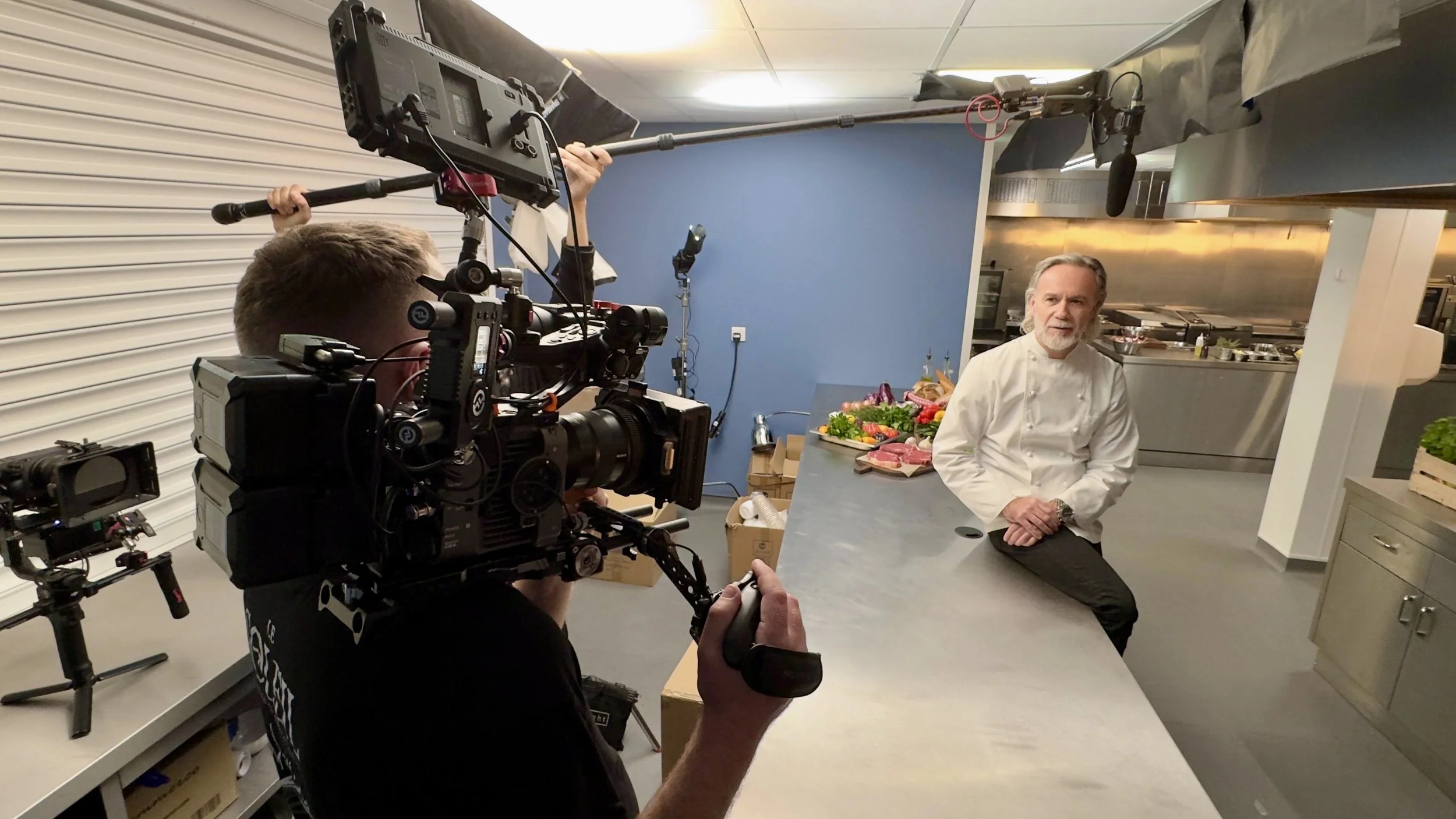
Commercial video has become one of the most important tools for marketing agencies and brands. Whether you are creating a product video, a brand film, a social advert, or a campaign driven story, high quality video content plays a central role in modern marketing. The challenge for many agencies and clients is understanding how much commercial video production costs and how to budget correctly.
Video production costs can vary depending on scale, crew size, equipment, editing requirements, and creative direction. Without a clear understanding of these factors, agencies risk underestimating budgets or overcommitting to unrealistic production goals. A well planned approach ensures better financial control and higher quality output.
In this guide, we break down the main factors that influence cost, explain pricing structures, and provide practical budgeting advice for agencies planning commercial video projects.
1. Why commercial video production costs vary
Commercial video production does not follow a fixed cost because every project is unique. The style, complexity, location, cast, crew, and edit requirements all influence the budget.
Factors that affect cost include
Length of the final video
Number of filming days
Size of the crew
Type of equipment required
Number of locations
On screen talent or actors
Motion graphics or animation
Editing time and revisions
Music licensing
Travel and logistics
Understanding these variables helps agencies plan budgets more accurately.
2. The scale of production impacts the overall cost
Productions come in different sizes. A small social edit requires less time and fewer resources than a large brand film or TV style advert.
Common production scales
Small scale shoot
Simple lighting
One or two crew members
Single location
Minimal editing
Ideal for social media clips or simple product videos.
Medium scale shoot
Multiple cameras
Larger crew
Stronger lighting setups
More detailed editing
Used for brand films, case studies, or promotional campaigns.
Large scale commercial shoot
Full crew
Cinematic equipment
Multiple filming days
Location management
Extensive editing and grading
Used for high end commercials or major brand campaigns.
Agencies should match the scale of production with campaign goals to avoid overspending.
3. Pre production planning influences cost
Pre production is a critical stage that includes scriptwriting, storyboards, shot lists, location scouting, scheduling, and logistics. Strong planning reduces risk and prevents unnecessary costs during filming.
Pre production tasks that influence cost
Creative concept development
Scriptwriting
Casting talent
Location scouting and permits
Scheduling crew and equipment
Production design and props
Agencies benefit from working with a production team that has a clear pre production workflow.
4. Crew size and expertise affect pricing
Different projects require different crew members. The larger the crew, the higher the cost, but also the higher the production value.
Potential crew roles include
Director
Producer
Camera operator
Director of photography
Audio technician
Gaffer
Production assistant
Hair and makeup
Set designer
Drone operator
Lighting team
An agency should choose a production company that assigns crew members according to the project’s scale.
5. Equipment requirements are a major cost factor
Professional commercial video production uses high quality equipment to achieve a polished, cinematic look. The type of cameras, lenses, lighting, and audio equipment selected will influence the cost.
Examples of equipment that affect pricing
Cinema cameras
Prime and zoom lenses
Gimbal and stabilisers
Lighting kits
Audio recorders and microphones
Drones
Teleprompters
Specialist rigs
Agencies should prioritise quality equipment when the project requires a premium look.
6. Location selection and travel costs
Filming at certain locations can add costs for logistics, permits, travel, or accommodation. Controlled environments, such as studios, can reduce some variables but may come with rental fees.
Location cost considerations
Permit fees
Travel mileage
Accommodation
Studio rental
Equipment transport
Time spent moving between locations
Choosing fewer or more central locations helps keep costs manageable.
7. Editing and post production influence the final budget
Post production involves editing, sound mixing, colour grading, graphics, and revisions. This stage often represents a significant part of the budget because it shapes the final video.
Post production elements include
Rough cuts
Final edited versions
Colour grading
Sound design
Motion graphics
Subtitles or captions
Multiple video formats
Revision rounds
Agencies should ask production companies to clarify what is included in the edit and how many revisions they can expect.
8. Music licensing and voiceovers
Music licensing costs vary considerably based on whether a track is stock, custom composed, or commercially licensed. Voiceover fees depend on the experience of the voice artist and the usage rights required.
Licensing cost considerations
Stock music is more affordable
Commercial tracks can be expensive
Voiceovers require usage rights
Custom music adds time and cost
These elements must be planned early to avoid budget increases.
9. How agencies can budget effectively for commercial video
The key to budgeting effectively is understanding the project scope and working closely with the production team to structure a realistic plan.
Budgeting tips for agencies
Define the goal and audience first
Choose a production scale that fits the campaign
Keep filming locations to a minimum
Prioritise high impact shots over unnecessary extras
Request a detailed cost breakdown
Plan for revisions in the post production timeline
Create multiple shorter edits from the main video
Consult the production team early in the process
Agencies that budget effectively can achieve high production quality without overspending.
10. Why investment in commercial video is worthwhile
Commercial video production is one of the most cost effective marketing tools available when used strategically. A single high quality video can be repurposed for multiple platforms and campaigns.
Reasons commercial video is a valuable investment
Strong performance in paid campaigns
Increased engagement and conversions
Long lasting value across platforms
Versatile use in sales, social media, and websites
Higher client satisfaction
Improved brand perception
When done well, commercial video generates measurable results that justify the investment.
Conclusion
Understanding the cost of commercial video production helps agencies plan effectively and deliver higher quality content for their clients. By recognising the key factors that influence cost, choosing the right production scale, and planning strategically, agencies can create impactful video assets that generate strong ROI.
If your agency needs transparent pricing and expert support in planning your next video project, explore our commercial video production services to see how we can help bring your ideas to life.