
How much event video production costs for festivals, artists, marketing agencies, and brands
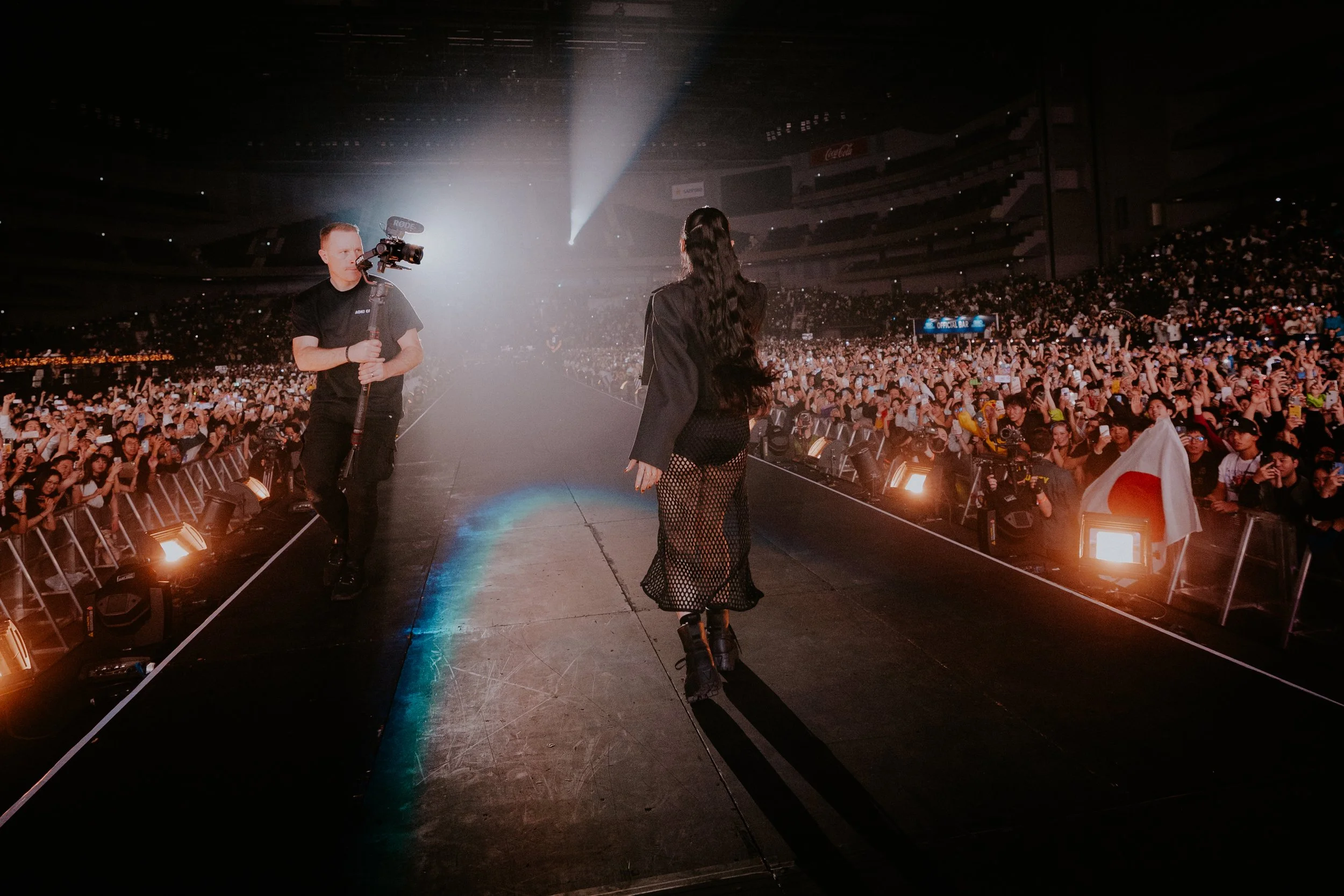
One of the most common questions asked by festivals, artists, marketing agencies, and brands is how much event video production costs. The truth is that event video pricing is not fixed. Every event is unique, and the cost depends on factors such as scale, location, equipment, crew size, and the type of video you want to create. Whether you are planning a large outdoor festival, a performance, a brand activation, or a corporate marketing event, understanding these factors helps you budget confidently and choose the right approach.
This guide explains the main elements that affect event video production costs and helps you make sense of what you can expect when planning your next project.
1. The cost depends on the scale and type of your event
Not all events require the same level of production. A small performance filmed with a compact crew will naturally cost less than a large multi day festival with multiple stages or a brand activation with multiple filming locations.
Your event type influences costs
Festivals often require multiple camera operators, long shoot days, and complex sound capture
Artist performances may range from simple single camera sets to multi camera cinematic recordings
Marketing agencies often need interview setups, branded content, and behind the scenes coverage
Brands may require product shots, customer engagement footage, and social media edits
Understanding the scope of your event helps the production company shape a realistic quote.
2. Pre production planning affects the overall cost
Pre production is the planning stage that ensures your event runs smoothly on the filming day. This stage is often overlooked, yet it directly influences cost and quality.
Pre production tasks may include
Creative planning
Storyboarding
Scheduling
Location research
Shot lists
Interviews with organisers or brand representatives
Technical preparation
Although pre production adds to the investment, it prevents mistakes and ensures that the crew captures everything you need.
3. Filming time and crew size are major cost factors
The length of the shoot and the number of people required on set have a direct impact on cost.
Factors that influence filming cost
Total filming days
Number of camera operators
Need for a director or producer
Dedicated audio technician
Need for drone operators
Multiple locations during the event
Festivals often require larger crews due to multiple stages or activities happening at the same time. Artists may need a smaller but highly skilled team for performance recording. Agencies and brands often need both wide coverage and specific close up shots for storytelling.
4. Equipment and technical requirements influence pricing
Event environments are unpredictable. Lighting varies, sound can be loud, and movement can be fast. High quality equipment ensures that the final video looks and sounds professional.
Equipment that may affect cost
Cinema quality cameras
Low light capable lenses
Stabilised rigs
Multi channel audio recorders
Lighting kits for interviews or backstage content
Drone cameras
Wireless systems for mobility
The more technically demanding the event, the more equipment is needed.
5. Audio quality is a critical cost element
Capturing clean sound at a festival or crowded marketing event requires specialised skills and equipment. If your video includes speeches, performances, or interviews, the production company will need to plan specifically for sound.
Audio influencing cost includes
Lapel microphones
Directional microphones
Multiple audio sources
Backup recording devices
Live mixing for performances
Good audio often requires an additional sound technician, which increases the cost but significantly improves the final quality.
6. Editing is one of the largest parts of the total investment
Editing shapes the story, sets the pacing, and blends audio, visuals, and music into a compelling final product. The level of editing required varies widely between projects.
Editing tasks that influence cost
Cutting and selecting the best footage
Colour correction and colour grading
Sound design and mixing
Syncing music and live audio
Motion graphics or titles
Captions
Multiple versions for different platforms
Revisions and refinements
A simple highlight reel may require basic editing, while a cinematic festival recap or brand activation story will take significantly more time.
7. Multi format content packages increase cost but add long term value
Festivals, artists, marketing agencies, and brands often want more than one video from an event. A multi format package provides content suited to websites, social media, sponsors, and future promotions.
Common deliverables include
Highlight reels
Full performance edits
Short vertical clips for social media
Behind the scenes videos
Interviews
Sponsor clips
Teasers for future events
While these add to the cost, they also create far more promotional opportunities.
8. Travel, locations, and logistics may affect cost
The logistics of reaching your event location and filming efficiently can increase the overall price.
Cost factors include
Travel time for the crew
Accommodation for multi day events
Fees for filming in restricted areas
Load in and load out time at venues
Transportation of equipment
Large festivals or brand events in remote or multi site locations may require additional planning and travel compensation.
9. Typical investment ranges for event video production
Although every project is unique, there are general cost ranges that festivals, artists, agencies, and brands can expect.
Small scale events
These may involve one camera operator, simple audio capture, and a short edit.
Common examples
Small performances
Simple brand demonstrations
Studio style events
Medium scale events
These often require multiple cameras, more advanced preparation, and a more detailed edit.
Common examples
Artist live sets
Brand activations
Indoor marketing events
Large scale events
Large events require bigger crews, multiple filming locations, drone work, and extended editing time.
Common examples
Multi day festivals
Major launches
High profile brand campaigns
To receive precise pricing, the production team needs to understand your event goals, schedule, and content requirements. You can explore your options on our page for event video production, which provides further insight into how a tailored quote is created.
10. How to get the best value from your event video investment
There are several ways to maximise your budget while still achieving a professional result.
Plan your content goals early
Clear expectations reduce filming time and prevent unnecessary edits.
Capture multiple videos in one shoot
A single event can generate a full library of content if planned correctly.
Use a team experienced in your industry
Festivals, artists, agencies, and brands need specialists who understand their creative needs.
Request assets in multiple formats
This ensures your content works across all platforms without additional filming.
Conclusion
Event video production costs vary based on the scale of your event, the style of video you want, the equipment required, and the level of editing involved. Festivals, artists, marketing agencies, and brands all have unique needs, so no single price fits every situation. By understanding these factors, you can plan more effectively and make a confident decision.
To explore a tailored quote that reflects your specific goals, visit our page on event video production and discover how professional support can elevate your next event.