
How multi cam productions save DJs money compared with livestreaming
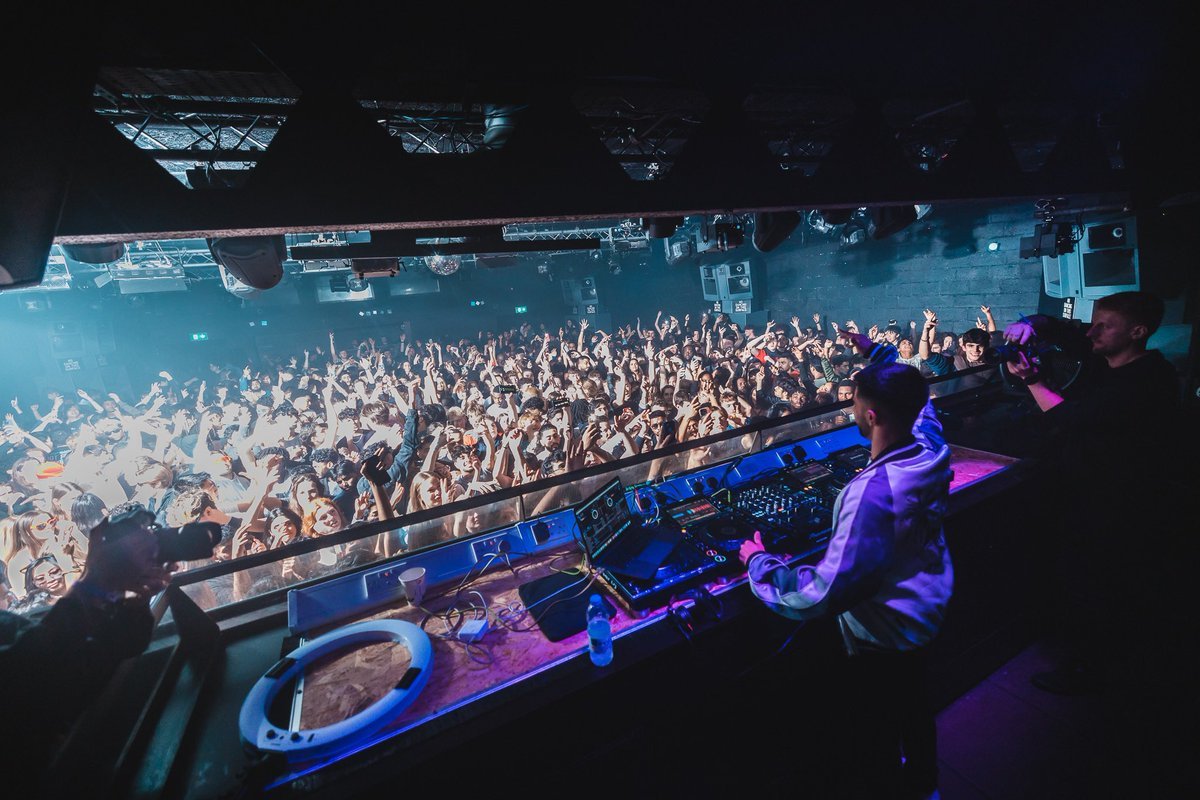
Livestreaming exploded in popularity among DJs, especially during times when in person events were limited. It offered a way to stay connected to fans, build visibility, and perform for global audiences. But livestreaming comes with real challenges. It requires strong internet, reliable broadcast technology, and a team to run everything in real time. The pressure is high, the technical requirements are strict, and the costs can escalate quickly.
For many DJs, this makes livestreaming unrealistic as a regular content strategy. Multi cam productions offer a smarter alternative. A multi cam setup gives you all the visual benefits of a livestream, including multiple angles and a professional broadcast feel, but without the cost or complexity of going live. Everything is filmed in real time, then edited into a polished final product that looks like a livestream but is much more budget friendly.
In this blog, we explore the financial advantages of choosing multi cam production over livestreaming and why more DJs are making the switch.
1. Livestreaming requires expensive infrastructure that multi cam production avoids
Livestreaming is far more complex than simply pointing a camera at your decks. To achieve a professional quality livestream, you need a full technical chain that works flawlessly in real time.
Typical livestream requirements include
High bandwidth internet with a stable upload speed
Video encoders
Livestream software or hardware switchers
Backup internet connections
A streaming computer dedicated to the broadcast
Platform integration and moderation
A technical engineer monitoring the stream throughout the performance
All of these components add to the cost. On top of this, livestream failures are common. A single internet drop or encoder issue can ruin the broadcast.
Multi cam productions remove these requirements entirely because the performance is not being broadcast in real time.
2. Multi cam production eliminates the need for real time technical staff
Livestreams require technicians who monitor the stream, manage the switching of angles, check sound levels, monitor latency, and troubleshoot issues. Because everything must run live, these roles cannot be optional.
A typical livestream team might include
A technical director
A vision mixer
A livestream engineer
A monitoring technician
Audio support
Someone to manage chat, overlays, and platform engagement
This staff presence greatly increases the cost of running a livestream.
With multi cam production, this team is not needed during the performance. The technical work happens after the recording, during editing, which reduces the need for live staffing and lowers overall production costs.
3. Multi cam productions do not require expensive internet setups
A livestream is only as strong as its internet connection. DJs who want to stream at high quality must invest in strong, stable upload speeds, sometimes even temporary dedicated connections.
Livestream friendly internet can involve
Extra monthly fees
Upgraded routers or static IP connections
4G or 5G bonding units as backup
Contingency systems in case of failure
DJs often underestimate the cost and complexity of maintaining reliable livestream internet.
Multi cam production bypasses this completely. Every moment is recorded locally, so internet quality is irrelevant. This is especially helpful for DJs performing in unconventional spaces such as warehouses, rooftops, basements, or outdoor areas where strong internet is not available.
4. Multi cam recordings have fewer time pressures
Livestreams require everything to happen at a specific time. The stream must start exactly on schedule, the equipment must be ready, the internet must be stable, and the DJ must perform flawlessly in real time.
When things are rushed or stressful, problems emerge that increase costs.
Multi cam productions reduce financial pressure by
Removing strict start times
Allowing retakes when needed
Avoiding costly delays caused by technical issues
Reducing the need for pre event testing
Cutting out the risk of having to repeat a failed broadcast
Time efficiency directly translates into cost savings.
5. Multi cam productions require fewer personnel on set
A livestream often requires a larger team because everything must happen live. Multi cam recordings typically need fewer crew members, which immediately lowers production costs.
Typical multi cam crew
One or two camera operators
One director or assistant
Optional audio support if needed
An editor after the event
This lean structure makes multi cam sessions significantly cheaper to run.
6. Multi cam sessions are more efficient for content creation
From a single multi cam recording session, a DJ can produce a huge variety of content. This reduces the need to book multiple shoots, which lowers overall cost over time.
From one multi cam shoot you can create
A full DJ set video
Multiple short reels
TikTok friendly clips
Performance highlights
Behind the scenes edits
Trailer videos
Drops and transitions for social media
Promotional content for bookings
If you compare this to livestreams, where you typically get one long recording and a lower quality file, the value difference is clear. Multi cam shoots produce more content for the same time spent performing.
7. Multi cam filming reduces the risk of losing footage
In livestreaming, once the broadcast ends, you have whatever was streamed. If the audio was bad, if the stream dropped, or if the internet glitched, the footage may be unusable. Fixing this often requires re streaming or hiring technicians to salvage the feed.
Multi cam filming is safer because every camera records directly to its own storage. There is no risk of losing the footage to internet issues or streaming failures.
This reduces cost by
Eliminating the need for backup streams
Removing salvage or repair fees
Reducing risk of repeat filming sessions
Providing more reliable output
For DJs on a budget, this reliability is a major advantage.
8. Multi cam editing is more predictable and cost effective than real time mixing
Real time editing during livestreaming is complex and expensive because it requires a skilled technician switching angles on the fly. If mistakes happen, they are permanent.
With multi cam recording, all angle switching is done in post. Editors can choose the best moments, clean transitions, sync shots with drops, and enhance pacing.
This creates cost efficiency by
Making editing predictable
Eliminating the need for real time switching
Allowing a single editor to shape the entire performance
Avoiding emergency re edits or fixes
Keeping the workflow controlled and budget friendly
This also means the final product looks better for the same cost.
Conclusion
Livestreaming is powerful, but it is costly. DJs interested in building their online presence need a solution that gives them professional quality without unnecessary infrastructure. Multi cam productions deliver the visual energy of a livestream, the creative freedom of a studio session, and the cost effectiveness of a structured edit. This makes them one of the most valuable tools for DJs who want to elevate their brand, promote their sets, and create consistent high quality content.
If you want a broadcast style DJ performance video without the cost or stress of livestreaming, multi cam production is the smartest choice.